Landscape Conservation
Response to detected cyanide poisoning in elephant deaths
Response to detected cyanide poisoning in elephant deaths
July 30, 2026
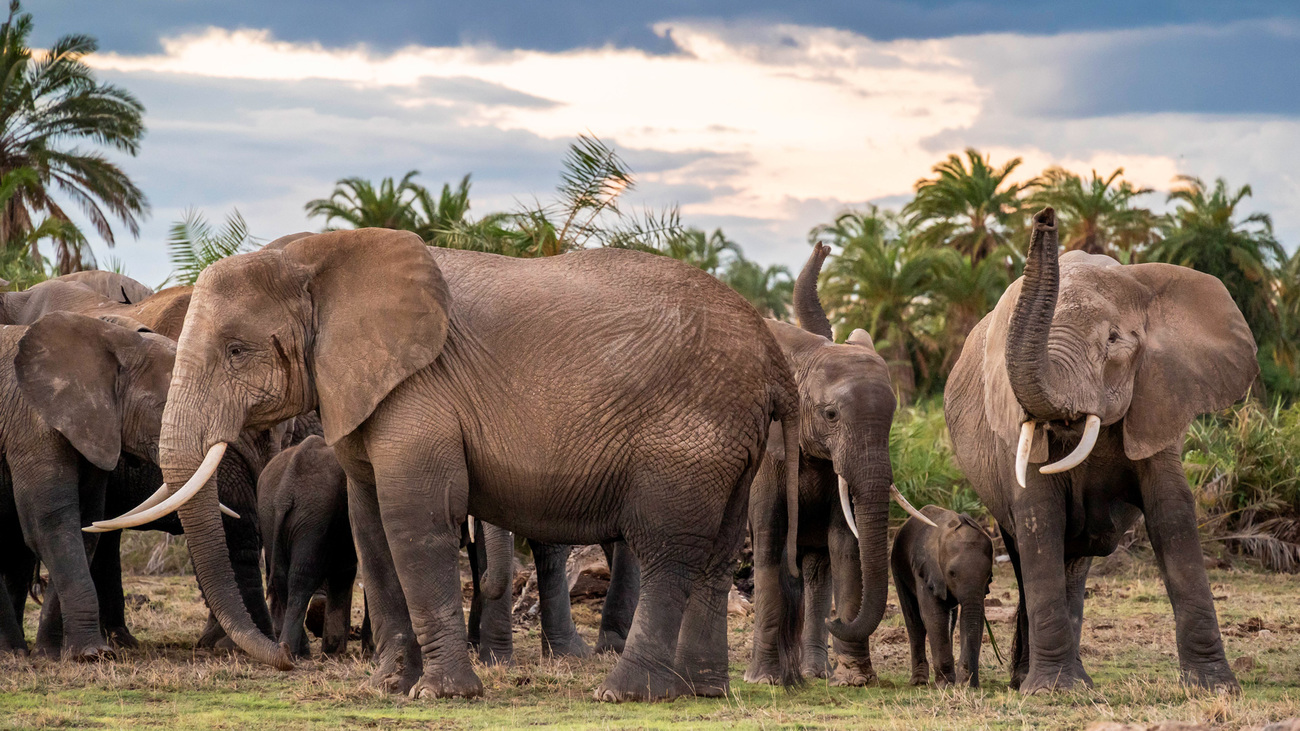
Group of African elephants in Amboseli, Kenya. Photo: Paolo Torchio / © IFAW
Preliminary laboratory tests indicating cyanide poisoning in the deaths of 15 elephants in Kenya's Amboseli ecosystem are deeply concerning.
The loss of these elephants is a major setback for one of Africa's key elephant populations and highlights the devastating impact toxic substances can have on wildlife, livestock, people, and ecosystems. IFAW supports efforts by wildlife authorities, rangers, veterinarians, researchers, and local communities to investigate this incident and determine the circumstances of these deaths.
The incident reinforces the urgent need to address the root causes of human-wildlife conflict. As people and elephants increasingly share space, protecting wildlife and safeguarding communities' livelihoods must go hand in hand.
"The reported cyanide poisoning by the Kenya Wildlife Service (KWS) must be urgently and thoroughly investigated, and those responsible must be held fully accountable under the law," said Ben Wandago, IFAW East Africa Director.
"This tragedy also underscores the urgent need for the strict control and responsible handling of highly toxic substances to prevent them from entering the natural environment. Preventing future tragedies requires sustained investment in practical coexistence solutions that support communities living alongside wildlife, including early warning systems, crop protection, and community engagement. These proven approaches help reduce conflict, protect livelihoods, and safeguard both people and wildlife."
Elephants are ecosystem engineers that help maintain healthy landscapes supporting biodiversity, local livelihoods, and climate resilience. Their future depends on strong partnerships between governments, conservation organizations, local communities, and the private sector to reduce conflict, protect connected landscapes, and promote lasting coexistence.
IFAW stands with our partners in Kenya and supports every effort to fully investigate this incident, strengthen protections for wildlife, and advance long-term solutions that enable people and elephants to coexist safely.
Statement on the reported elephant deaths in Kenya's Amboseli ecosystem
July 29, 2026
We are deeply concerned by reports of the deaths of 15 elephants in Kenya's Amboseli ecosystem and welcome the swift response by the Kenya Wildlife Service and its partners to investigate the cause.
"This incident is deeply alarming. It reminds us just how vulnerable wildlife remains to emerging and often unpredictable threats. Every elephant is essential to the health of its ecosystem, shaping landscapes in ways that benefit countless other species. When we lose elephants on this scale, the impact reaches far beyond a single herd—it affects the resilience of the entire ecosystem and reinforces why we must continue investing in science, monitoring, and collaborative conservation efforts,” Ben Wandago, IFAW Country Director, Kenya.
Every elephant lost is significant—not only for the species, but for the health of the ecosystems they help sustain and the communities that live alongside them. The reports that many of the animals affected were females and calves make these losses especially troubling.
It is essential that the investigation be allowed to establish the facts before drawing conclusions. Determining whether these deaths were caused by environmental contamination, disease, poisoning, or another factor is critical to preventing further losses and ensuring an effective response.
This incident is a reminder of the importance of sustained investment in wildlife health surveillance, rapid-response capacity, scientific research, and strong collaboration among government agencies, conservation organizations, researchers, and local communities. Early detection and coordinated action are vital to protecting wildlife and maintaining resilient ecosystems.
IFAW stands with our conservation partners in Kenya and supports efforts to establish the cause of these deaths as quickly as possible. We hope the findings will inform measures that safeguard elephants and the landscapes they depend on for generations to come.
Related content
every problem has a solution, every solution needs support.
The problems we face are urgent, complicated, and resistant to change. Real solutions demand creativity, hard work, and involvement from people like you.